
HAVORA Journal | Property Insights · East Tennessee
November 19, 2026 | By Stefan Muenchow
A home can be empty, the thermostat can be running, and the owner can still be one cold snap away from an expensive surprise. Here's what local emergency planning documents, utility guidance, and Tennessee insurance officials actually say about protecting properties through winter.
Winter in East Tennessee Is Not Always What You Expect
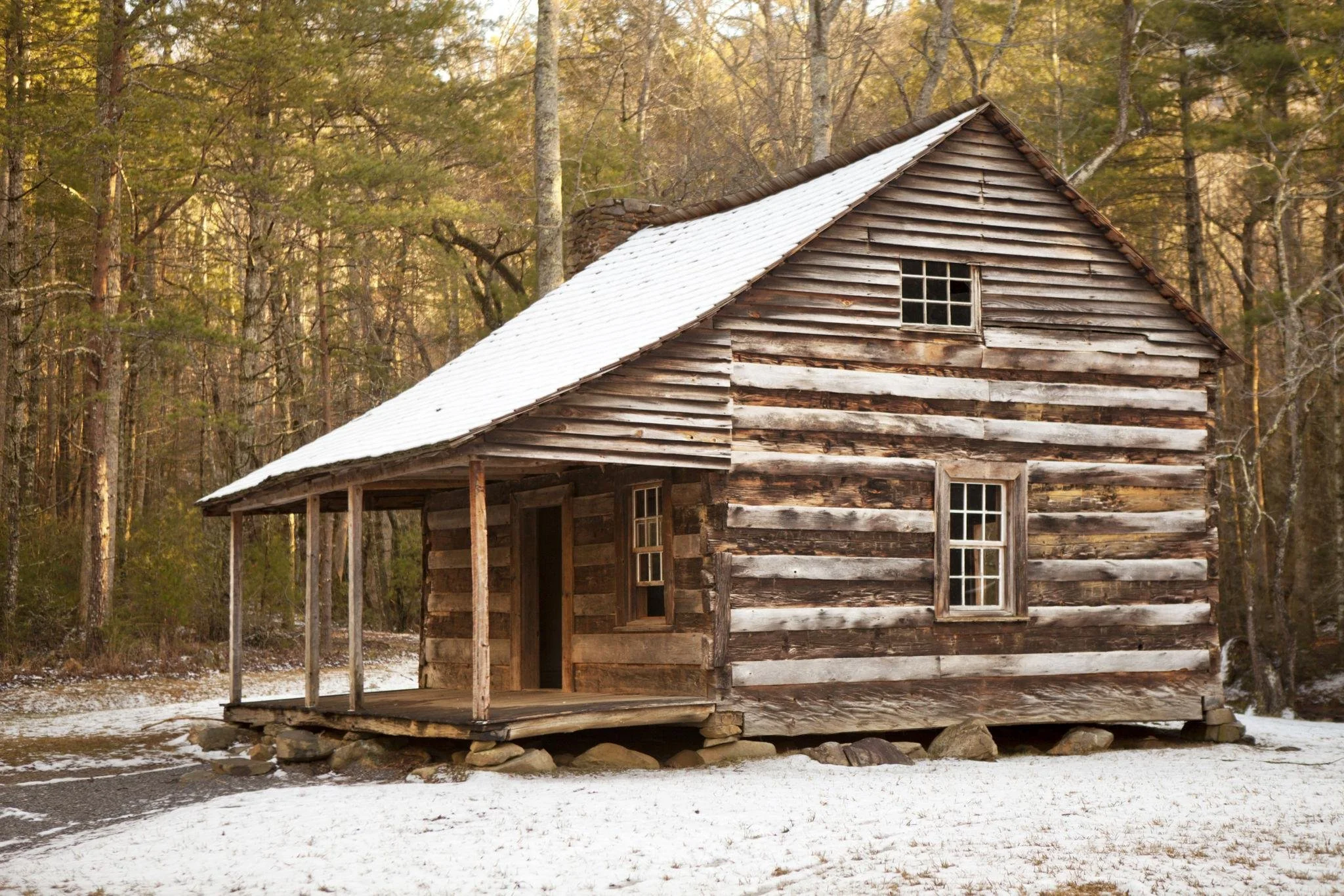
When people picture East Tennessee, they often imagine rolling hills, wooded mountain cabins, and relatively mild Southern winters.
And much of the time, that's exactly what they get.
But the region's winter weather has another side: freezing rain, ice accumulation, falling tree limbs, power outages, and temperatures capable of damaging poorly protected plumbing.
For homeowners who live nearby, a sudden cold spell can mean checking the pipes, adjusting the thermostat, and walking around the house for warning signs.
For an investor living in Florida, an absentee owner in another state, or someone with a vacation cabin near the Smokies, the situation is different.
They may not even know there's a problem until someone enters the property days later.
Understanding that difference starts with the local data.
41 Winter Storm Events in 31 Years
The 2025 Knox County Multi-Jurisdictional Local Hazard Mitigation Plan, covering Knox County, the City of Knoxville, and the Town of Farragut, examined historical winter weather risks.
According to the plan, the area experienced 41 recorded winter storm events from 1993 through 2023, averaging approximately 1.33 events per year.
That figure does not mean every property experiences damaging conditions each winter. Nor does it mean every recorded event produces insurance claims.
It does establish that significant winter weather is a recurring regional planning concern, not merely an unlikely exception.
The report identifies several potential consequences:
Damage to power lines and utility infrastructure
Fallen trees and limbs
Dangerous roads and temporary access restrictions
Power interruptions
Frozen or burst water lines
Disruption to normal business and residential activity
For an unattended property, these hazards can interact.
A winter storm may interrupt electricity. Without reliable heat, indoor temperatures may drop. Plumbing in vulnerable areas can freeze. If a pipe ruptures, water damage may not be discovered promptly.
The important point is not that every storm causes this chain of events.
It's that an owner living hundreds of miles away may have limited visibility into what is happening.
Source: Knox County, City of Knoxville, and Town of Farragut, Multi-Jurisdictional Local Hazard Mitigation Plan, May 2025, Section 5.15.
Why 55 Degrees Matters
One of the most useful pieces of winter guidance comes directly from Knoxville Utilities Board (KUB).
Its water safety recommendations advise homeowners leaving town to:
Keep the thermostat set no lower than 55°F (approximately 13°C).
KUB also recommends turning off the water valve to reduce damage if a pipe bursts and arranging for someone to check that the building's heat remains on.
That last recommendation is especially important.
A thermostat setting is a precaution, not confirmation that a property is protected.
Heating equipment can malfunction. Electrical service may be interrupted. Pipes in attics, crawl spaces, exterior walls, and other vulnerable areas may face different conditions than the room where the thermostat is installed.
Even a properly heated living room does not prove that every exposed pipe is safe.
And in some properties, particularly older homes or cabins with unusual layouts, 55°F may not provide sufficient protection for every plumbing location.
The appropriate winterization plan depends on the building, the plumbing arrangement, and the forecast. A qualified HVAC or plumbing professional can help owners assess those conditions.
KUB's advice also includes:
Insulating vulnerable plumbing
Disconnecting hoses and covering outdoor faucets
Knowing where the main water shutoff is located
Taking appropriate precautions around crawl-space ventilation
Checking that heat is operating during an absence
A thermostat is part of a winter plan. It is not the entire plan.
Source: Knoxville Utilities Board, Water Safety — Prevent Frozen Pipes.
The Insurance Question Owners Should Ask Before Leaving
Frozen pipes present more than a maintenance problem.
They can also raise difficult insurance questions.
The Tennessee Department of Commerce & Insurance has warned that damage from freezing pipes may not be covered when negligence contributed to the loss, including situations where adequate heat was not maintained.
The department also advises owners to take reasonable care to heat an unattended home or shut off and properly drain the relevant water systems when freezing is possible.
This does not mean an insurer automatically denies a claim whenever a house is unoccupied.
Coverage depends on the actual policy, applicable exclusions and conditions, and the circumstances of the loss.
An owner should ask their insurance agent specific questions:
Does my policy distinguish between a vacant and an unoccupied property?
Are there winter heating or water-shutoff requirements?
Does the policy require periodic property inspections?
What records should I keep to demonstrate reasonable maintenance and preventive care?
Vacation homes, long-term rentals between tenants, and homes awaiting sale may have different insurance arrangements.
Those differences should be clarified before a loss occurs, not afterward.
Source: Tennessee Department of Commerce & Insurance, Consumer Insurance Tips Ahead of Extreme Winter Weather, January 12, 2024.
The Real Financial Risk: How a Small Problem Can Grow
Consider a hypothetical rental home in Knoxville that is temporarily vacant during a January cold snap.
Its owner lives out of state.
A plumbing connection in an unheated area freezes and fails. Water begins escaping after the pipe thaws.
Nobody enters the property for several days.
The initial plumbing repair may be only one part of the eventual expense.
A water-damage incident can also involve emergency response, drying, damaged flooring, drywall removal, cleaning, and delayed occupancy.
An Illustrative Cost Scenario
The following figures are hypothetical planning assumptions, not local contractor quotes, claim averages, or forecasts.
Expense categoryIllustrative costPlumbing diagnosis and repair$450Emergency water extraction and drying$2,000Flooring and drywall restoration$4,000Cleaning and miscellaneous repairs$750Illustrative total$7,200
Actual costs can be much lower or substantially higher depending on the extent of the damage, affected materials, access, contractor pricing, and insurance coverage.
The purpose of this illustration is not to suggest that every frozen pipe causes a $7,200 loss.
It is to show why the cost of a water-loss event cannot be understood from the plumbing repair alone.
There is another potential expense: time.
If the home cannot be rented while repairs are completed, the owner may lose rental income in addition to paying for restoration.
For a short-term rental, the financial consequences may also include canceled stays and operational disruption.
Those losses depend on actual bookings, policy coverage, and the time required to restore the property.
What a Useful Winter Property Check Should Actually Cover
A drive-by can confirm that a building is still standing.
It cannot establish what is happening inside.
A practical winter visit should have a defined scope and documented observations.
For an authorized interior check, relevant items may include:
Heating: Is the thermostat displaying a reasonable temperature? Does the system appear to be operating? Are there obvious warning indicators?
Visible plumbing: Are there signs of leakage around accessible fixtures, water heaters, under-sink cabinets, or other agreed inspection points?
Exterior: Are hoses disconnected? Are exposed faucets protected? Is there visible storm damage to gutters, siding, doors, or accessible ground-level areas?
Moisture: Are there new stains, wet flooring, unusual odors, or other visible signs suggesting water intrusion?
Security: Are designated doors and windows secured? Are there signs of unauthorized access?
Utilities and access: Are there obvious power issues? Are fallen branches, ice, or other hazards restricting safe entry?
Documentation: Were dated photographs taken? Were findings communicated clearly, including items needing a licensed professional?
These are examples of visual property observations, not a substitute for a licensed home inspection, plumbing inspection, HVAC servicing, or comprehensive winterization.
Conditions hidden behind walls, underneath insulation, or in inaccessible areas may remain undetected.
No single visit can guarantee that damage will not occur later.
How Often Should an Unoccupied Home Be Checked?
There is no one-size-fits-all answer.
A recently renovated home with modern plumbing, stable utility service, and an effective remote monitoring system may have different needs from an older cabin with exposed pipes and intermittent occupancy.
Inspection frequency should reflect factors such as:
The home's construction and plumbing vulnerability
Current and forecast weather
Whether the water supply remains active
Heating reliability
Insurance conditions
Whether the property is vacant, seasonally used, or between tenants
Ease of access during winter weather
The owner's insurance requirements and advice from qualified professionals should take priority over a generic inspection schedule.
For some properties, a check before a forecast cold event and another after conditions improve may be useful.
For others, more frequent monitoring or a professionally installed temperature and water-leak alert system may be appropriate.
Remote sensors and physical checks can complement each other, but neither eliminates every risk.
What to Do When a Problem Is Found
When a winter property visit identifies a possible frozen pipe, active leak, or heating failure, the next step matters.
KUB advises shutting off the water immediately when pipes freeze and warns against using an open flame to thaw them.
Owners should also account for electrical hazards around standing water.
A licensed plumbing professional should address situations that cannot be handled safely.
If damage has occurred, Tennessee insurance officials recommend contacting the insurer promptly, documenting damage with photographs or video, keeping relevant receipts, and coordinating repairs with the claims process.
A local property contact can help communicate observations and coordinate access, but should not attempt repairs requiring a license or create additional hazards.
And during active winter storms, safety comes first. A property visit should never require someone to drive on dangerous roads or enter an unsafe building.
The Bigger Lesson for Remote Property Owners
Owning real estate from a distance is increasingly practical.
Owners can receive rent electronically, monitor certain systems remotely, and communicate with contractors from almost anywhere.
Yet the physical condition of a property still exists in the real world.
A temperature alert cannot always reveal a roof leak.
A contractor's invoice does not independently establish what was completed.
And a vacant house cannot explain what happened during an overnight power outage.
That is why the strongest approach combines preventive maintenance, appropriate insurance, remote technology, qualified contractors, and reliable on-site information.
Winter preparation is not about assuming the worst.
It's about reducing uncertainty before a preventable problem becomes a major expense.
Because the most valuable information about a property is often what someone discovers before the owner realizes there is a problem.
About HAVORA
HAVORA Services LLC supports remote property owners, investors, and property professionals across Knoxville and East Tennessee through property checks, photo documentation, and local vendor coordination.
Our role is to help owners stay informed and coordinate next steps, not to replace licensed contractors, professional inspectors, insurers, or property managers.
GERMAN PRECISION. AMERICAN TRUST.
For property oversight inquiries: info@havoraservices.com
Sources & Further Reading
Knox County, City of Knoxville, and Town of Farragut — Multi-Jurisdictional Local Hazard Mitigation Plan (May 2025). See Section 5.15, Winter/Ice Storm.
https://cdnsm5-hosted.civiclive.com/UserFiles/Servers/Server_109478/File/Engineering/Stormwater/LocalHazardMitigationPlan.pdfKnoxville Utilities Board — Water Safety: Prevent Frozen Pipes. Local guidance for winter plumbing protection and travel preparation.
https://www.kub.org/safety/water-safetyTennessee Department of Commerce & Insurance — Consumer Insurance Tips Ahead of Extreme Winter Weather (January 12, 2024). Guidance on winter precautions, frozen pipes, and documenting property damage.
https://www.tn.gov/commerce/news/2024/1/12/tdci-shares-consumer-insurance-tips-ahead-of-extreme-winter-weather-.html
Editorial note: Historical weather statistics describe the reporting period in the cited source. The hypothetical financial scenario is provided solely to illustrate possible expense categories. This article is general educational information, not insurance, legal, engineering, or professional inspection advice.